Kidney cancer biology & immunology

Revealing hidden targets in kidney cancer.

We study what drives kidney cancer, what it reveals to the immune system, and how those discoveries can become new therapies.

Conceptual illustration · not to scale

Research

From the basic biology of kidney cancer to new ways to treat it.

The signature event in clear-cell kidney cancer is the loss of one tumor-suppressor gene, VHL. We ask what that loss sets in motion, what it exposes to the immune system, and how each answer could be used against the disease.

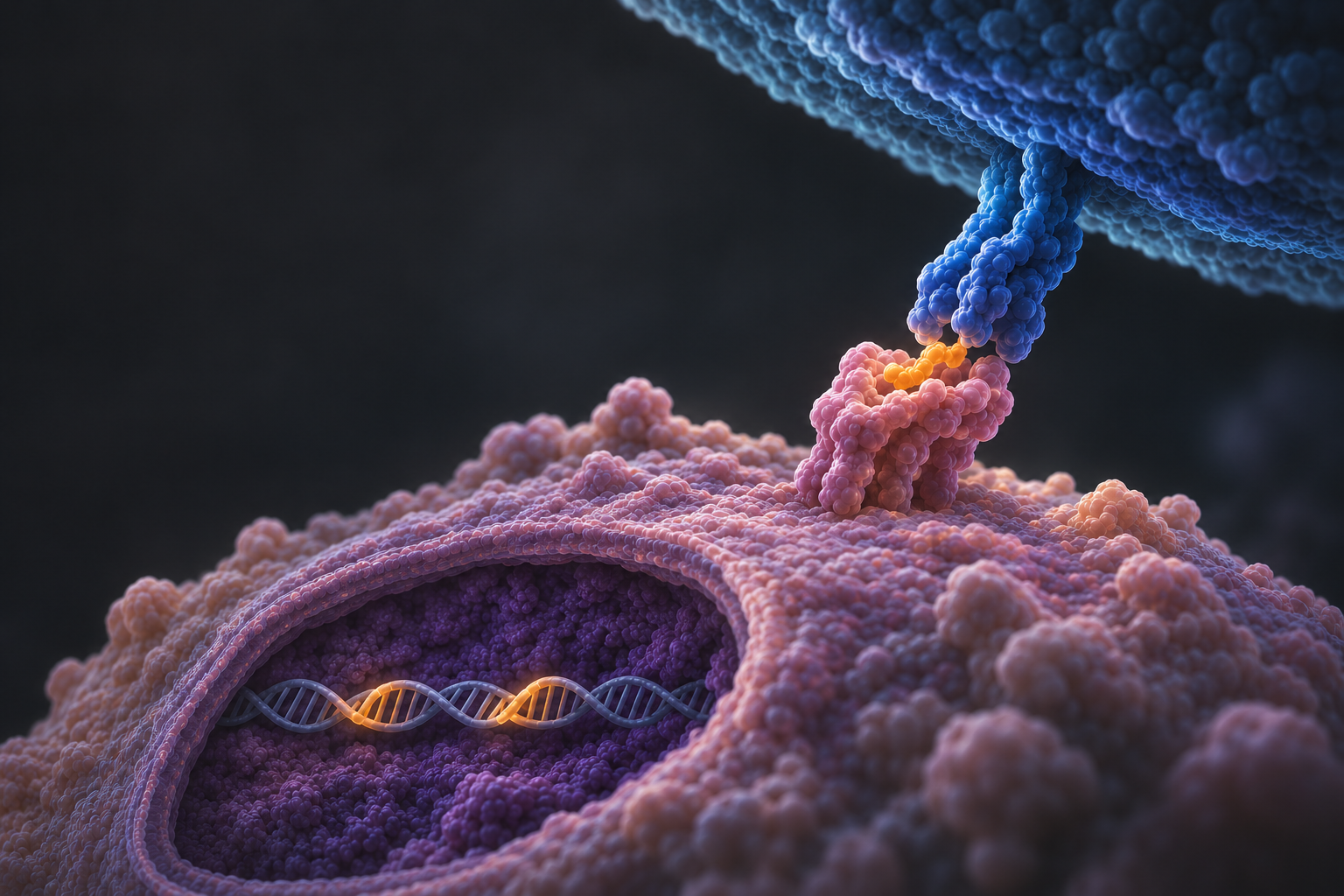
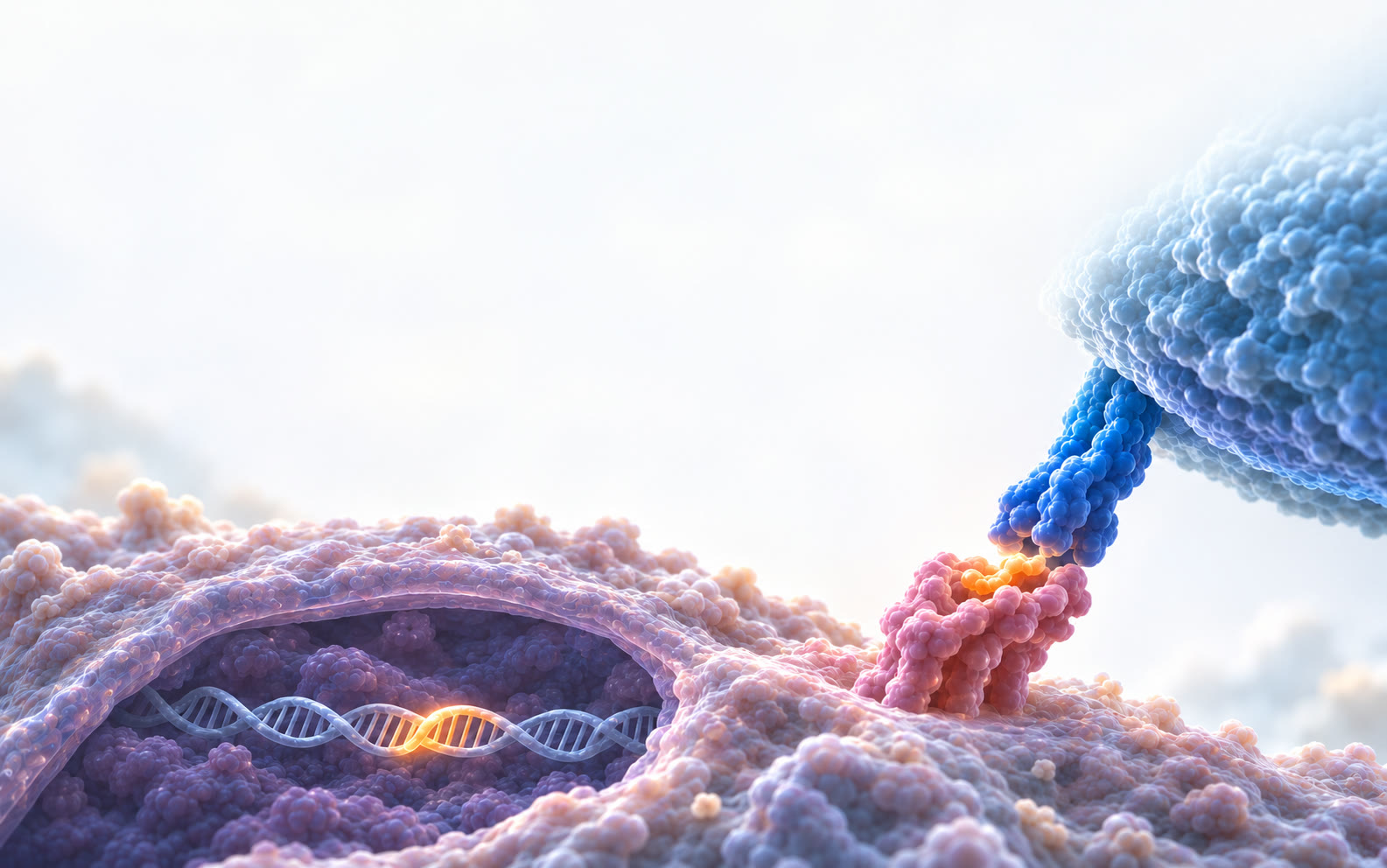
Conceptual illustration of a T-cell receptor meeting a peptide held by an HLA molecule on a cancer cell.

01 · Tumor immunity

Antigens from the hidden genome

Loss of VHL leaves HIF switched on, and HIF switches on endogenous retroviral sequences that are already part of human DNA. We map which of them become peptides on the surface of cancer cells, and which T-cell receptors recognize them.

See the featured discovery
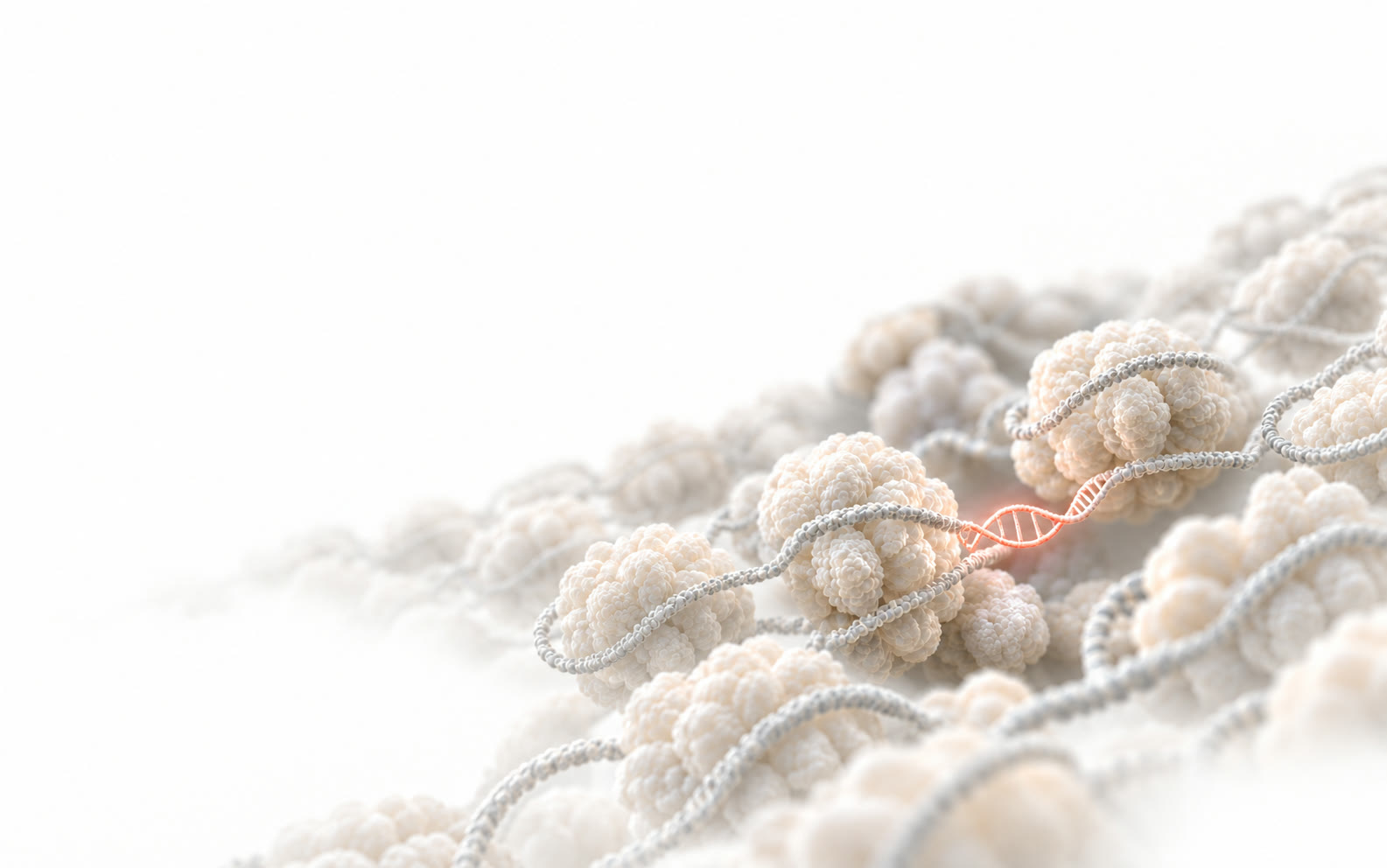
Conceptual illustration of DNA wound around nucleosomes, with one stretch highlighted.

02 · Cancer biology

How kidney cancer rewires the cell

With VHL gone, the transcription factor HIF2 stays active and changes which genes are used. We study those changes and what they do to the tumor and to the patient, including whole-body effects such as cachexia.

Related paper
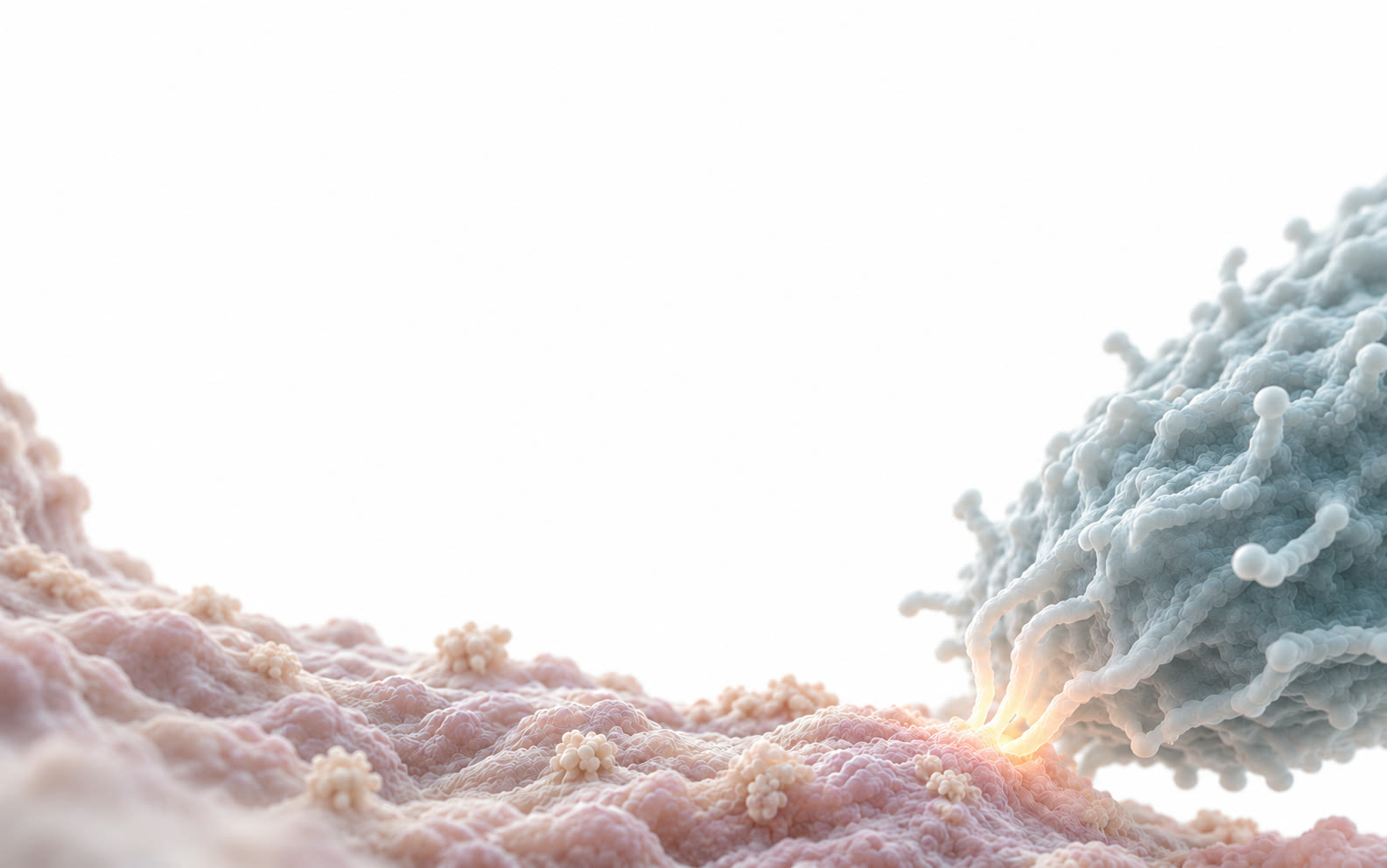
Conceptual illustration of an immune cell touching the surface of a tumor cell.

03 · Toward therapy

From targets to treatment ideas

The long-term goal is treatment. We ask how the targets we find could guide T-cell receptor therapies and cancer vaccines for kidney cancer. This work is at the research stage.

Related paper

Images are conceptual illustrations, not experimental data.

Featured discovery

From hidden sequence to visible target.

The 2025 Cell study in three steps. Select a step to move through the scene.

Expression, presentation and recognition are separate steps, and each needs its own evidence.

About the paper
Conceptual illustration of a kidney cancer cell cutaway with highlighted DNA, an HLA protein presenting a peptide on the cell surface, and a T-cell receptor reaching down to it.
Conceptual illustration · not to scale

Publications

Publications

13 papers · Newest first

Select a figure to see it whole

  1. 2026

    Other work

    Positive selection screen identifies natural product β-catenin inactivators

    Boudreau MW, Freire VF, Corbett SC, … Jiang Q, … O'Keefe BR, Kaelin WG Jr.

    PNAS123(39) · e2625189123Co-authorJournalFree full text

    β-catenin · natural products
  2. 2026

    Kidney cancer & HIF

    Targeting of HIF2-driven cachexia in kidney cancer

    Abu-Remaileh M, Stransky LA, Bhalerao N, Shirole NH, Jiang Q, … Kaelin WG Jr.

    Nature Medicine32(1) · 245–257Co-authorJournalFree full text

    HIF2 · cachexia
  3. 2025

    Kidney cancer & HIF

    HIF regulates multiple translated endogenous retroviruses: implications for cancer immunotherapy

    Jiang Q†, Braun DA†, Clauser KR†, … Keskin DB, Wu CJ, Kaelin WG Jr.

    Cell188(7) · 1807–1827Co-first authorJournalFree full text

    ERV antigens · T cells
  4. 2024

    Kidney cancer & HIF

    Induction of DEPP1 by HIF mediates multiple hallmarks of ischemic cardiomyopathy

    Wyant GA, Jiang Q, Singh M, Qayyum S, Levrero C, Maron BA, Kaelin WG Jr.

    Circulation150(10) · 770–786Co-authorJournalFree full text

    HIF · heart muscle
  5. 2023

    DNA repair & genome integrity

    Fanconi anemia caused by biallelic inactivation of BRCA2 can present with an atypical cancer phenotype in adulthood

    Maxwell KN, Patel V, Nead KT, Merrill S, Clark D, Jiang Q, … Babushok DV, Nathanson KL.

    Clinical Genetics103(1) · 119–124Co-authorJournalFree full text

    BRCA2 · Fanconi anemia
  6. 2022

    DNA repair & genome integrity

    Autologous K63 deubiquitylation within the BRCA1-A complex licenses DNA damage recognition

    Jiang Q†, Foglizzo M†, Morozov YI†, Yang X†, Datta A, Tian L, Thada V, Li W, Zeqiraj E, Greenberg RA.

    Journal of Cell Biology221(9) · e202111050Co-first authorJournalFree full text

    BRCA1-A · ubiquitin
  7. 2019

    Other work

    The BRISC deubiquitinating enzyme complex limits hematopoietic stem cell expansion by regulating JAK2 K63-ubiquitination

    Donaghy R, Han X, Rozenova K, Lv K, Jiang Q, Doepner M, Greenberg RA, Tong W.

    Blood133(14) · 1560–1571Co-authorJournalFree full text

    BRISC · JAK2
  8. 2019

    DNA repair & genome integrity

    Phosphorylation of TIP60 suppresses 53BP1 localization at DNA damage sites

    Li ML, Jiang Q, Bhanu NV, Wu J, Li W, Garcia BA, Greenberg RA.

    Molecular and Cellular Biology39(1) · e00209-18Co-authorJournalFree full text

    TIP60 · 53BP1
  9. 2018

    DNA repair & genome integrity

    Lnk/Sh2b3 deficiency restores hematopoietic stem cell function and genome integrity in Fancd2 deficient Fanconi anemia

    Balcerek J, Jiang J, Li Y, Jiang Q, Holdreith N, … Greenberg RA, Tong W.

    Nature Communications9 · 3915Co-authorJournalFree full text

    Fanconi anemia · stem cells
  10. 2017

    DNA repair & genome integrity

    Nuclear acetyl-CoA production by ACLY promotes homologous recombination

    Sivanand S, Rhoades S, Jiang Q, Lee JV, Benci J, … Greenberg RA, Wellen KE.

    Molecular Cell67(2) · 252–265Co-authorJournalFree full text

    ACLY · acetyl-CoA
  11. 2015

    DNA repair & genome integrity

    MERIT40 cooperates with BRCA2 to resolve DNA interstrand cross-links

    Jiang Q, Paramasivam M, Aressy B, Wu J, Bellani M, Tong W, Seidman MM, Greenberg RA.

    Genes & Development29(18) · 1955–1968First authorJournalFree full text

    MERIT40 · cross-link repair
  12. 2015

    DNA repair & genome integrity

    Deciphering the BRCA1 tumor suppressor network

    Jiang Q, Greenberg RA.

    Journal of Biological Chemistry290(29) · 17724–17732First authorReviewJournalFree full text

    BRCA1 network
  13. 2012

    Other work

    Explicit hypoxia targeting with tumor suppression by creating an “obligate” anaerobic Salmonella Typhimurium strain

    Yu B, Yang M, Shi L, Yao Y, Jiang Q, Li X, … Song E, Huang JD.

    Scientific Reports2 · 436Co-authorJournalFree full text

    Engineered Salmonella · hypoxia

† These authors contributed equally. Select a figure to see it whole; some small previews show only part of it.

Google Scholar profile

Team

A new lab, with room to grow.

Lab members will be introduced here as the group grows.

Principal Investigator

Qinqin Jiang, PhD

Qinqin studies the biology of kidney cancer and how the disease becomes visible to the immune system. In the Kaelin laboratory at Dana-Farber Cancer Institute she worked on how HIF regulates endogenous retroviruses and the antigens that T cells recognize. Her doctoral research at the University of Pennsylvania examined BRCA1, ubiquitin signaling and DNA repair.

Join

Curious about what kidney cancer can teach us?

The lab brings together cancer biology, genomics and immunology. If that combination fits the work you want to do, we would like to hear from you.

Get in touch

Contact

For collaborators, trainees and colleagues.

Lab
Jiang Lab
Rutgers Cancer Institute
Email
Lab email to be added
Elsewhere
ORCID